How Smoking Impacts Your Need for Periodontal Treatment in Ventura
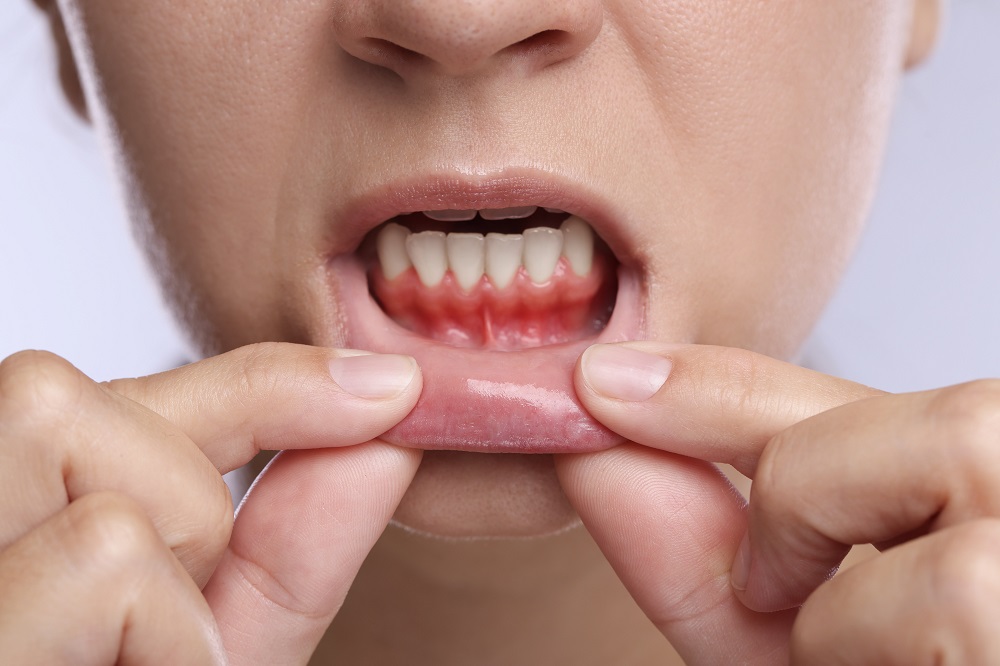

Smoking changes the mouth in ways patients often do not notice until the damage is hard to ignore. Teeth may still look fairly normal in the mirror. There may be no dramatic pain. Gums may not bleed much, which some people mistakenly read as a sign of health. Meanwhile, under the surface, tobacco can quietly alter blood flow, weaken immune response, deepen periodontal pockets, and accelerate bone loss around the teeth.
That matters because periodontal disease rarely stays still. It tends to progress in stages. A patient may start with mild gum inflammation, then drift into deeper infection, gum recession, loose teeth, chronic bad breath, and eventually tooth loss if treatment is delayed. When smoking is part of the picture, that progression is often faster and the response to treatment is often less predictable.
For people searching for Periodontal Treatment Ventura, this is one of the most important factors a periodontist or general dentist will consider. Smoking does not automatically mean treatment will fail. It does mean the treatment plan, healing timeline, and long-term maintenance strategy may need to be more deliberate.
What smoking does to the gums before symptoms become obvious
The average patient associates smoking with stained teeth, bad breath, or oral cancer warnings. Those are real concerns, but periodontal damage is often the more immediate day-to-day issue in a dental office.
Healthy gum tissue depends on a good blood supply. Blood carries oxygen, nutrients, and immune cells to the tissues that surround and support the teeth. Smoking constricts blood vessels. Nicotine plays a major role, but it is not the only culprit. The result is reduced circulation in the gums. Tissues that should react quickly to bacterial irritation become sluggish and less resilient.
This is one reason smokers sometimes have less bleeding than nonsmokers, even when the infection is worse. Bleeding gums are a classic sign of inflammation, yet tobacco can blunt that sign by reducing blood flow. Clinically, that can be misleading. Patients will say, “My gums don’t bleed, so I thought they were fine,” and then the exam shows deep pockets, recession, and bone loss.
Smoking also affects the bacterial environment in the mouth. Dental plaque is never harmless, but tobacco use seems to encourage a more destructive mix of bacteria associated with periodontal disease. Add a weaker healing response and poorer circulation, and the gums face the infection with fewer advantages.
The damage is not limited to cigarettes. Cigars, pipes, and smokeless tobacco can all contribute to periodontal problems. Vaping is still being studied, but many clinicians are cautious because nicotine itself can impair blood flow and healing. The delivery method may differ, but the tissues still pay a price.
Why smokers often need more intensive periodontal care
Periodontal treatment exists on a spectrum. Some patients need little more than a deep cleaning and improved home care. Others need site-specific antimicrobial therapy, gum surgery, regenerative procedures, or tooth extraction followed by replacement planning. Smoking can shift a patient from the simpler end of that spectrum toward the more involved end.
A common pattern looks like this. A smoker goes longer than ideal between cleanings because the mouth “doesn’t feel that bad.” Tartar builds up below the gumline. The gum attachment begins to loosen. Periodontal pockets deepen from the normal one to three millimeters into four, five, six millimeters or more. Once pockets deepen, standard brushing and flossing can no longer reach the bacteria effectively. At that point, professional intervention becomes necessary.
The initial therapy for many patients is scaling and root planing, often called a deep cleaning. This removes plaque, calculus, and bacterial toxins from below the gumline and smooths the root surfaces so the tissues have a better chance to reattach. In smokers, this treatment can still be highly valuable, but results are often less dramatic than in nonsmokers. Pocket reduction may be smaller. Inflammation may persist. Some areas stabilize, while others continue to break down.
That is where judgment matters. Not every smoker needs surgery, and not every pocket needs aggressive intervention. But smoking increases the odds that deeper sites will remain active after initial therapy. If a six or seven millimeter pocket keeps bleeding on probing or continues to harbor infection, a more advanced periodontal approach may be needed.
The healing difference dentists see every week
One of the most consistent differences between smokers and nonsmokers shows up after treatment. Healing is often slower and less robust in patients who use tobacco regularly.
After scaling and root planing, a nonsmoker with good home care may show noticeable improvement within a few weeks. Gums often look firmer, less puffy, and healthier in color. Pocket depths may reduce meaningfully at the follow-up visit. A smoker can improve too, sometimes impressively, but the average response is more muted. Tissues may remain inflamed in isolated areas. Surgical sites may close more slowly. Tenderness can linger. Regenerative procedures, which rely heavily on the body’s ability to rebuild tissue, may be less predictable.
This becomes especially important when bone grafting or gum grafting enters the conversation. These procedures depend on tissue integration and blood supply. If a patient continues smoking through the healing period, the risk of compromised results increases. Some periodontists will still proceed after discussing the risks thoroughly. Others may recommend delaying elective periodontal surgery until smoking is reduced or stopped, especially if the expected benefits are likely to be undermined.
A detail patients appreciate once it is explained clearly is that smoking does not just “cause more plaque.” It changes how the body reacts to plaque and how it recovers after treatment. That distinction matters. A person can brush faithfully and still struggle if the biologic environment is working against them.
Ventura patients face the same biology, but local habits shape the timing of care
The biology of periodontal disease does not change by zip code. What does change is when patients come in, how often they follow through, and what competing pressures shape their choices.
In Ventura, many adults try to fit dental care around work schedules, family obligations, and the simple reality that gum disease is easy to postpone because it often progresses quietly. Smokers are particularly likely to underestimate the urgency because symptoms can be masked. A little gum recession may not seem like a crisis. Mild sensitivity can be dismissed. Persistent bad breath may be blamed on coffee, stress, or dry mouth. By the time mobility develops, the treatment conversation is very different.
That is one reason the phrase Periodontal Treatment Ventura matters beyond search language. For local patients, it reflects the need for accessible evaluation before tooth support is compromised. A thorough periodontal exam, including pocket measurements and radiographs when indicated, can reveal a lot that a patient cannot see or feel. It often clarifies whether the problem is still reversible gingivitis or established periodontitis requiring active treatment.
Smoking and the “silent” appearance of gum disease
Patients are often surprised to learn that severe periodontal disease can exist with very little pain. Smoking contributes to that disconnect. Reduced bleeding, altered tissue response, and a gradual pace of structural loss can make the condition feel less urgent than it is.
A patient in the early forties might come in mainly because a spouse commented on bad breath. During the exam, several back teeth may show five to seven millimeter pockets and early furcation involvement, where bone loss has begun around the roots of a molar. The patient may say, honestly, “I had no idea.” That is not denial in every case. It is often the natural result of a disease that stayed quiet while smoking helped hide the warning signs.
Pain usually appears later, when infection becomes acute, recession exposes sensitive root surfaces, or teeth loosen enough to affect chewing. By then, treatment may still save many teeth, but it is usually more involved and more expensive than if the disease had been addressed earlier.
When deep cleaning is enough, and when it is not
One of the most important clinical decisions in periodontal care is determining whether nonsurgical therapy is sufficient. Smokers can respond well to deep cleaning, especially if disease is moderate and the patient becomes highly consistent with home care and recare visits. But there are limits.
A patient with generalized four to five millimeter pockets, modest bone loss, and no mobility may do well with scaling and root planing followed by close reevaluation. If inflammation resolves and pockets shrink, surgery may not be necessary. Maintenance then becomes the priority.
A different patient with longstanding smoking history, heavy calculus buildup, six to eight millimeter pockets in the molars, and radiographic bone loss may need more than nonsurgical care. In these situations, surgical access can allow the provider to clean areas that instruments could not fully reach during deep cleaning alone. It may also permit reshaping, grafting, or regeneration where appropriate.
What makes this tricky is that smoking can flatten the apparent symptoms while the disease severity rises. The gums may not look as angry as the measurements and x-rays suggest. That mismatch is a classic feature of tobacco-related periodontal problems.
The maintenance phase is where long-term success is won or lost
Periodontal treatment is not a one-time event. Once a patient has had periodontitis, the mouth usually needs a different standard of maintenance for years, often for life. That does not mean constant procedures. It means disciplined monitoring.
Most patients who have been treated for periodontal disease benefit from periodontal maintenance at shorter intervals than a standard six-month cleaning schedule. Three-month recalls are common, though the right interval depends on disease severity, home care, smoking status, and how stable the tissues remain over time.
For smokers, these visits are especially important because relapse can happen quietly. A patient may feel fine and still be redeveloping inflamed pockets around a few vulnerable teeth. Maintenance appointments allow the team to track pocket depth changes, bleeding points, plaque control, recession, mobility, and radiographic patterns. Small setbacks can then be addressed before they become major failures.
This is also where honest conversations matter. Some patients reduce smoking but do not stop. That still may help. Others switch products and assume the risk disappears. Often it does not. A practical provider does not shame patients. The better approach is straightforward: every reduction in tobacco burden may improve the odds, but continued exposure still raises the risk of recurrence and treatment complications.
The effect on dental implants and tooth replacement planning
Periodontal disease and tooth loss often lead to the next question, which is whether a missing tooth can be replaced with an implant. Smoking complicates that conversation too.
Implants can succeed in smokers, but failure risk tends to be higher than in nonsmokers, especially when oral hygiene is poor or periodontal disease remains active. The gums and bone around implants can also develop peri-implant disease, which resembles gum disease around natural teeth. If a patient loses teeth because smoking-driven periodontitis was never controlled, placing implants without changing the underlying habits can repeat the same cycle around the new restorations.
That does not mean smokers should not consider implants. It means the planning must be realistic. The mouth needs to be stabilized first. Active periodontal infection should be treated. Bone volume may need assessment. Healing expectations should be discussed plainly. In some cases, a dentist or periodontist may recommend preserving strategic natural teeth if possible rather than moving too quickly to extraction and implant placement.
What quitting changes, even if gum disease is already present
One of the most encouraging parts of these conversations is that the mouth can respond surprisingly well when smoking stops. Damage already done does not disappear overnight, and lost bone does not simply grow back on its own. But inflammation often becomes easier to control, blood flow improves, and healing after treatment can become more favorable.
Former smokers frequently show better treatment response than current smokers. That does not erase the need for periodontal care, but it can improve the outlook. Gums may respond more predictably to deep cleaning. Surgical outcomes may become more reliable. Maintenance visits often reveal fewer inflamed sites over time.
Patients sometimes assume there is no point quitting once they already have gum disease. Clinically, that is not what many providers see. Even after years of tobacco use, stopping can still shift the trajectory in a better direction.
Signs that should prompt a periodontal evaluation sooner rather than later
Some smokers wait for severe pain before making an appointment, but periodontal disease rarely follows that script. A faster evaluation is wise if any of the following https://rentry.co/fqf4eyrm show up:
- persistent bad breath that does not improve with brushing
- gums that look pulled back or teeth that appear longer
- loose teeth or a bite that feels different
- tenderness when chewing in one area
- a history of smoking combined with long gaps between professional cleanings
Even one of these signs can justify a closer look, especially if tobacco use has been regular for years.
What a good periodontal consultation in Ventura should include
Patients often want to know what separates a cursory dental visit from a meaningful periodontal assessment. A proper evaluation should not be guesswork or a quick glance at the gums. It should include a review of smoking history, pocket measurements around each tooth, an assessment of gum recession, mobility testing when indicated, and imaging to evaluate bone support where clinically necessary.
For anyone seeking Periodontal Treatment Ventura, it is reasonable to expect a provider to explain not just what treatment is recommended, but why. If deep cleaning is advised, the patient should understand which areas are affected and what the goals are. If surgery is being considered, the discussion should cover the benefits, limitations, healing expectations, and the specific effect smoking may have on the outcome.
The best consultations also make room for nuance. A pack-a-day smoker with generalized severe periodontitis and uncontrolled diabetes presents a different risk profile than an occasional smoker with localized moderate disease and otherwise good health. Both need care, but the treatment sequence and prognosis are not identical.
Home care matters more than most patients think
Professional treatment cannot do all the work. In smokers, this is especially true because the tissues are already at a disadvantage. Effective home care reduces the bacterial load between visits and gives periodontal therapy a chance to hold.
That does not require a complicated routine. What matters is consistency and technique. Gentle but thorough brushing at the gumline, daily cleaning between the teeth, and using any prescribed antimicrobial rinse or other aids exactly as directed can make a measurable difference. Dry mouth management may also help some smokers, since a dry mouth tends to make plaque accumulation and irritation worse.
Patients sometimes ask whether aggressive brushing can “scrub away” gum disease. It cannot, and in some cases it causes more recession. Precision beats force. A good periodontal team usually spends time coaching technique because the small daily habits often decide whether treatment remains stable.
The financial side no one likes to discuss, but should
Smoking can raise the cost of dental care over time simply because delayed treatment tends to become more complex treatment. A patient who addresses early periodontal disease may only need deep cleaning, maintenance, and home care coaching. A patient who waits through years of smoking-related progression may face surgery, extraction, grafting, and tooth replacement. The difference in both cost and time can be substantial.
This is not meant as a scare tactic. It is a practical reality. Earlier care is usually less invasive, less expensive, and easier to recover from. That is true in many areas of health care, and periodontics is no exception.
A realistic path forward for smokers who want to keep their teeth
Plenty of smokers feel overwhelmed once they hear they have periodontal disease. They assume the damage is irreversible and that tooth loss is inevitable. That is not a helpful or accurate default position. Many teeth can be preserved for years with the right treatment and follow-up.
The more realistic message is this: smoking raises the stakes. It increases the likelihood that periodontal disease will develop, progress faster, and respond less favorably to treatment. But it does not eliminate the value of treatment. A careful diagnosis, appropriate therapy, regular maintenance, and any reduction or cessation of tobacco use can materially improve the outcome.
For Ventura patients, the practical next step is not to self-diagnose based on bleeding or pain levels. It is to have the gums measured, the bone levels evaluated if needed, and the treatment options explained clearly. That is the point where vague concern becomes a plan, and a plan is what protects teeth.
Avra Dental
Address: 1708 S Victoria Ave B, Ventura, CA 93003
Phone number: (805) 941-1001
FAQ About Periodontal Treatment Ventura
Can a dentist get rid of periodontal disease?
A dentist or gum specialist (periodontist) cannot fully cure or reverse advanced periodontal disease (periodontitis), but they can successfully stop its progression and manage the infection.
Is periodontitis very serious?
Yes, periodontitis is a very serious, advanced form of gum disease that destroys the bone and tissues supporting your teeth.
How is stage 2 periodontal disease treated?
Stage 2 periodontal disease (early to moderate periodontitis) is primarily treated with non-surgical deep cleaning procedures like scaling and root planing to remove bacteria and tartar below the gumline.