How Long Does Dental Bonding Last? A Complete Guide

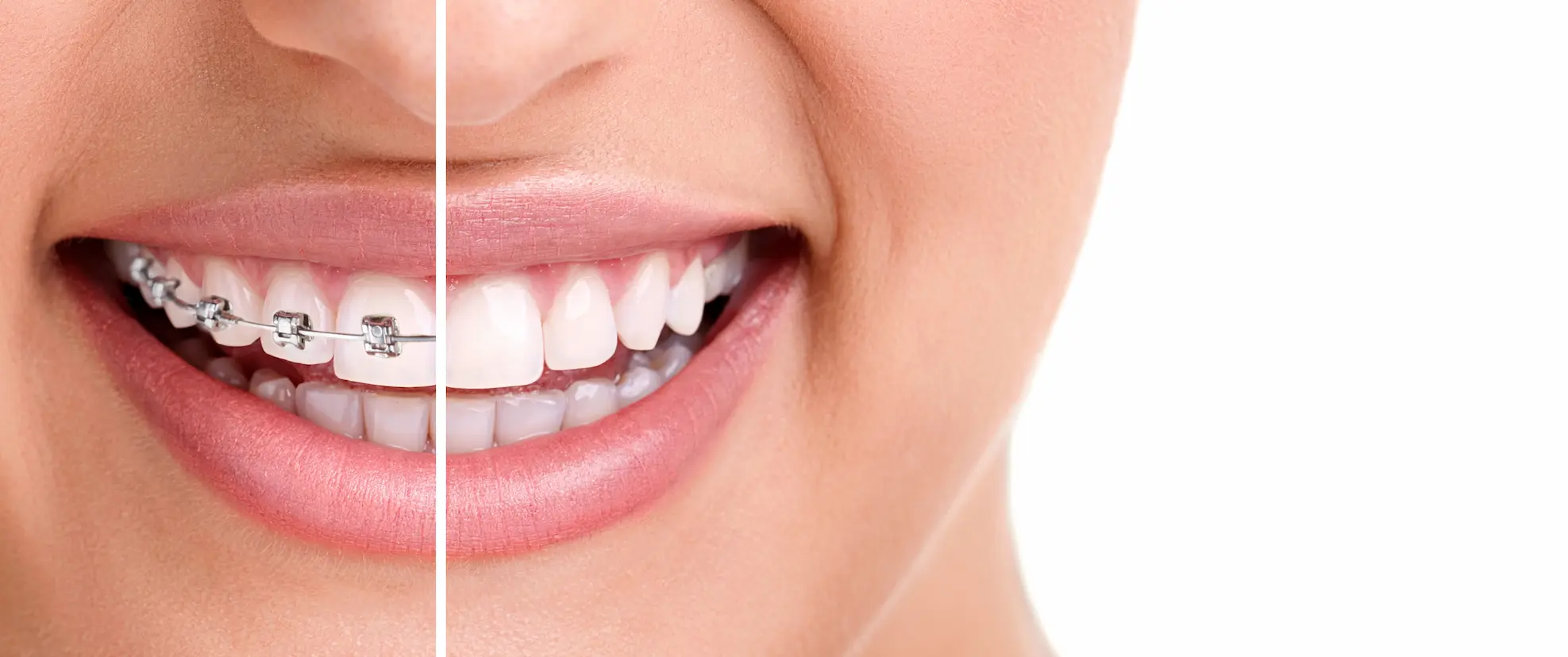

Dental bonding sits in a useful middle ground in cosmetic and restorative dentistry. It is less invasive than veneers, less expensive than crowns, and often finished in a single appointment. For the right patient, it can make a chipped edge disappear, close a small gap, reshape a worn tooth, or cover discoloration with surprisingly natural results.
The question most people ask right after they see the mirror is simple: how long will it last?
The honest answer is that dental bonding usually lasts somewhere between 3 and 10 years, sometimes longer, sometimes less. That wide range frustrates people, but it reflects reality. Bonding is not a one-size-fits-all material. A small repair on a front tooth in someone with a gentle bite may stay attractive for many years. A larger bonded area on a patient who grinds, chews ice, and drinks coffee all day may need touch-ups much sooner.
Understanding that range matters because bonding works best when expectations match the material. It is durable, but it is not indestructible. It looks good, but it can stain. It is conservative, but it often needs maintenance over time. If you know those trade-offs going in, bonding can be one of the most satisfying treatments in dentistry.
What dental bonding actually is
Dental bonding uses a tooth-colored composite resin, the same family of material often used for white fillings. The dentist lightly prepares the tooth surface, applies a conditioning agent, layers the resin, sculpts it into shape, hardens it with a curing light, and polishes it so it blends with the surrounding enamel.
When done well, the result can be subtle enough that even close friends do not notice it. That is part of the appeal. Bonding can preserve most, and sometimes all, of the natural tooth structure. Compared with veneers or crowns, that conservative approach is a major advantage.
Still, composite resin behaves differently from natural enamel. Enamel is harder and more stain-resistant. Bonding is strong enough for many everyday uses, but it is more vulnerable to wear, chipping, edge breakdown, and discoloration over time. That is the core reason lifespan varies.
A realistic lifespan, not a sales-pitch lifespan
In routine clinical practice, most dental bonding falls into a practical lifespan of 3 to 10 years. Small cosmetic additions can sometimes exceed that. Larger buildups, especially in high-pressure biting areas, often need maintenance on the earlier side of the range.
There is a big difference between “still attached” and “still looks ideal.” A bonded tooth may technically remain in place for years, yet lose some of its original polish, pick up stains around the edges, or show slight wear that makes it less crisp than day one. Patients often think of failure as the bonding falling off completely, but from a dental standpoint, failure can also mean the restoration no longer looks natural, seals well, or supports function properly.
That distinction is worth keeping in mind. If someone says their bonding lasted seven years, it may mean it held up beautifully for seven years. It may also mean it looked great for four, then gradually became duller and finally got replaced at seven. Both stories are common.
Where the bonding is placed changes everything
Location matters more than many people realize. Bonding on the front teeth often lasts longer aesthetically because those teeth usually handle less crushing force than the molars. At the same time, front teeth are more exposed visually, so even minor staining or a tiny chip feels significant.
A small bonded repair on the edge of an upper front tooth can perform very well, especially if the patient does not bite directly into hard foods with that area. On the other hand, if someone has a deep overbite, habitually bites pens, or uses their teeth like tools to open packaging, the same repair may fracture much sooner.
Bonding on chewing surfaces faces a different challenge. Back teeth absorb far greater force. Composite resin can certainly be used there, and often successfully, but longevity depends heavily on how large the bonded area is and how the bite lands during chewing. A modest bonded filling in a low-stress spot is one thing. Rebuilding a large, weight-bearing cusp is another.
The biggest factors that affect how long dental bonding lasts
Several variables influence lifespan, and they tend to work together rather than separately.
- Size of the bonded area: Small chips and contour changes usually last longer than large buildups or broad cosmetic coverage.
- Bite forces and habits: Grinding, clenching, nail-biting, chewing ice, and pen-chewing shorten longevity.
- Tooth location: Front teeth and back teeth fail in different ways because they handle different stresses.
- Diet and staining exposure: Coffee, tea, red wine, tobacco, and highly pigmented foods can dull the appearance over time.
- Technique and follow-up care: Careful isolation, layering, polishing, and periodic maintenance make a measurable difference.
That last point is easy to overlook. Bonding is technique-sensitive. A beautifully placed composite restoration by a meticulous dentist generally lasts longer and looks better than hurried work. Moisture control during placement, precise bite adjustment, and thoughtful polishing are not glamorous details, but they affect whether the restoration survives a few years or many.
Why some bonding fails early
Early failure usually has a cause, even if the patient never noticed it building. Sometimes the bite was heavier on the bonded tooth than expected. Sometimes the patient clenched at night but had no idea. Sometimes the bond held, but the thin edge of composite was simply asked to do too much.
A common example is the patient who chips a front tooth, has it bonded beautifully, then returns six months later after biting into crusty bread, a fork, or a fingernail. The bonding did not necessarily “go bad.” It just encountered force beyond what that shape and thickness could tolerate.
Another issue is discoloration. Bonding may remain structurally sound yet become visually disappointing. Composite resin is more porous than enamel and more likely to absorb stain over time. Patients who drink dark beverages throughout the day, rather than with meals, often see this sooner. Sip-by-sip exposure matters.
Edge leakage can also develop with age. As resin and tooth structure respond to years of thermal change, chewing stress, and wear, the margins may become more visible. That does not always mean pain or decay, but it can mean the restoration needs polishing, repair, or replacement.
How dental bonding compares with veneers and crowns
Bonding is often compared with porcelain veneers, and the comparison is fair, but the materials serve different priorities. Veneers usually last longer, often around 10 to 15 years or more with good care, and they resist staining better than composite. They also cost more and usually require more planning and laboratory work. In many cases they involve some enamel reshaping, though modern conservative veneer techniques can be quite minimal.
Crowns are a different category. They cover far more of the tooth and are generally chosen when a tooth needs substantial structural support, not just a cosmetic tweak. They can last a long time, but they involve greater reduction of tooth structure and are usually not the first choice for a minor chip or small gap.
Bonding shines when the goal is conservative improvement. If someone wants to soften a pointed canine, repair a corner, even out slight asymmetry, or close a narrow space without committing to porcelain, it is often the smartest first step. It is also reversible or easily modifiable in many situations, which patients appreciate.
That said, patients choosing bonding should not expect porcelain-level stain resistance or decade-after-decade durability without maintenance. The treatment is valuable precisely because it offers flexibility and lower upfront cost, not because it outperforms every other option.
How to tell when bonding needs repair or replacement
Bonding rarely fails without giving a clue. Most patients notice changes in one of three ways: it looks different, it feels different, or the floss behaves differently around it.
Look for a surface that has lost its gloss compared with neighboring enamel, a dark line at the edge, a rough patch on the tongue side, or a shape that seems slightly shorter or flatter than it used to. Sometimes a patient reports that “it catches my lip” or “my floss shreds right there.” Those details matter.
A small chip does not always require full replacement. One of the useful features of composite is that it can often be repaired directly. If the bonding is mostly intact and the margins are healthy, the dentist may roughen the surface, add fresh resin, and repolish it. Repair is often less invasive and less expensive than starting over.
If the bonding is heavily stained, repeatedly chipping, or no longer blending well, replacement may make more sense. A restoration that has been patched several times can eventually reach a point where a fresh build gives a better result than another repair.
Daily care that genuinely extends lifespan
People sometimes expect a special maintenance routine, but the basics matter most. Good brushing, consistent flossing, and regular cleanings protect both the bonding and the tooth underneath it. What shortens lifespan is usually not a lack of exotic products. It is ordinary wear combined with rough habits.
These habits help most:
- Brush with a soft-bristled toothbrush and a non-abrasive toothpaste.
- Avoid biting ice, hard candy, pens, fingernails, and packaging.
- Use a night guard if you grind or clench while sleeping.
- Rinse or drink water after coffee, tea, or red wine when possible.
- Keep routine dental visits so minor wear or staining can be addressed early.
One practical point that surprises patients is toothpaste choice. “Whitening” pastes can be more abrasive than people realize. They may not destroy bonding quickly, but over time they can dull the polished surface. Once that glossy layer is worn down, the restoration can pick up stain more easily.
Night grinding is another big one. Many adults clench without knowing it. They wake with tension headaches, a sore jaw, or flattened teeth, but have never connected those symptoms to the lifespan of their dental work. A well-made night guard often saves not only bonding, but enamel, fillings, and porcelain too.
Can dental bonding stain, and can it be whitened?
Bonding can stain, especially over several years. Coffee, tea, red wine, curry, soy sauce, tobacco, and poor polishing habits all contribute. The degree varies with the resin used, the finishing technique, and the patient’s habits.
What bonding cannot do is whiten in the way natural teeth do. Tooth whitening products work on enamel and dentin, not on composite resin. If a patient whitens their natural teeth after bonding was placed, the surrounding teeth may become lighter while the bonded area stays the same. That mismatch is common.
For patients considering both whitening and bonding, the better sequence is usually whitening first, then matching the bonding to the lighter shade. If whitening comes later, there is a reasonable chance the bonding will need replacement or at least modification to match the new tooth color.
Sometimes stained bonding can be improved with repolishing if the discoloration is mostly superficial. Deep staining, however, often requires replacement.
Is bonding a good choice for everyone?
Not always, and this is where judgment matters. Bonding is a poor long-term choice for some bite patterns and some patient habits. A person with severe grinding, edge-to-edge bite stress, or repeatedly broken front restorations may be better served by a different material or a more comprehensive plan.
Likewise, very large cosmetic makeovers can stretch bonding past its ideal use. Composite artistry can be remarkable, and there are dentists who produce beautiful extensive bonded cases. Still, larger cases typically require more maintenance than porcelain. That is not a flaw, just a trade-off. For a patient who wants the lowest initial cost and accepts periodic refinishing or repair, bonding may be perfect. For someone who wants maximum stain resistance and longer intervals before replacement, porcelain may be the better investment.
Age and timing also matter. For teenagers and young adults, bonding can be an excellent interim or medium-term solution because it preserves tooth structure. A conservative bonded repair can carry someone through school, early career, or orthodontic changes without committing them too early to a more aggressive restoration.
What happens during maintenance appointments
Maintenance for bonding is often simple. At a checkup, the dentist or hygienist examines the margins, checks the bite, and evaluates the polish and color match. If the surface has become dull, a careful repolish can noticeably refresh the appearance. If a tiny edge has worn, selective smoothing may prevent further chipping.
This kind of upkeep is one reason some bonded restorations last longer than expected. Patients often imagine longevity as an all-or-nothing event, but dental materials age gradually. Small interventions at the right time can postpone replacement by years.
There is also value in monitoring the tooth itself. A bonded tooth can still develop decay at the margin if plaque accumulates or hygiene slips. Regular exams help catch that early, when repair is simpler and more conservative.
Cost, value, and the question patients really mean to ask
When patients ask how long dental bonding lasts, they are often asking a second question underneath it: is it worth it?
Usually, yes, if the case is chosen well. Bonding tends to offer strong value because it can improve appearance and function quickly, conservatively, and at a lower cost than porcelain alternatives. The key is not to confuse “less expensive now” with “maintenance-free forever.” Over ten or fifteen years, a bonded restoration may need repair or replacement more than once. Even so, many patients still prefer that route because it preserves tooth structure and gives flexibility.
A patient who closes a small front gap with bonding and enjoys eight good years before a refresh usually feels that was money well spent. A patient who needs frequent repairs because of untreated grinding may feel differently. The treatment did not change, but the context did.
That is why the best conversations about bonding are specific. How large is the repair? Where is it? How does the bite land? Does the patient grind? Are they seeking a subtle refinement or a dramatic https://fernandozqjm758.lumenforgex.com/posts/can-dental-bonding-help-you-avoid-more-complex-dental-work smile redesign? General averages help, but individual risk factors matter more.
Questions worth asking before you choose dental bonding
A good consultation should leave you with more than a price quote. It should clarify whether bonding fits your teeth, habits, and expectations.
Ask how much of the tooth needs to be covered, whether your bite puts extra stress on that area, how likely staining is in your case, and what maintenance the dentist expects over the next several years. Ask whether repair is likely if it chips, or whether replacement would be more typical. If you clench or grind, ask directly whether a night guard is part of the plan.
You should also ask to see similar cases, particularly if the work is in a highly visible front-tooth area. Bonding is artistic. Shade selection, edge translucency, line angles, and polish quality all affect how natural the result looks over time.
The practical takeaway
Dental bonding generally lasts 3 to 10 years, with some restorations falling outside that range depending on size, location, bite forces, habits, and maintenance. Small cosmetic improvements on low-stress teeth often do very well. Large or heavily stressed bonded areas usually need more attention.
Its strength is not that it lasts forever. Its strength is that it can solve real cosmetic and minor structural problems quickly, conservatively, and beautifully when used in the right situation. If you treat it with reasonable care and work with a dentist who understands both aesthetics and bite dynamics, dental bonding can remain one of the most useful tools in modern dentistry.
Toothworks of Bakersfield, Dentist and Orthodontist
Address: 1030 H St #1, Bakersfield, CA 93304
Phone number: +16613239421
FAQ About Dental Bonding
How long does dental bonding last?
Dental bonding typically lasts between 3 and 10 years (averaging about 5 to 8 years) before it needs a touch-up or replacement. Its lifespan depends heavily on your daily habits, where the bonding is placed in your mouth, and how well you care for your teeth.
How expensive is bonding a tooth?
Dental bonding typically costs between $100 and $600 per tooth, with a national average of about $431 per tooth.
What are the downsides of dental bonding?
Dental bonding has several drawbacks, including lower durability, a shorter lifespan, and a tendency to stain compared to alternatives like porcelain veneers.